

Ghana targets nuclear energy to boost electricity output, exports
Ghana is currently in Phase Two of the International Atomic Energy Agency’s nuclear power development milestones
Ghana is advancing plans to introduce nuclear as part of a long-term strategy to diversify its energy mix, support industrialisation and expand electricity exports across West Africa.
Nuclear to increase energy generation in Ghana
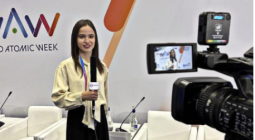
Speaking to ESI Africa on the sidelines of World Atomic Week in Moscow earlier this year, Robert Sogbadji, Ghana’s Deputy Director of Nuclear and Alternative Energy, said nuclear energy had become a strategic option as the country faces growing demand at home and from neighbouring states.
“Ghana exports power in the sub-region, but we do not have enough affordable electricity to meet the rising demand,” Sogbadji said.
He noted that the country remains heavily reliant on gas-fired generation, which is becoming increasingly costly, while large-scale hydropower resources are largely exhausted.
Plan for grid connectivity by 2035
Ghana is currently in Phase Two of the International Atomic Energy Agency’s (IAEA) nuclear power development milestones, which focuses on vendor engagement and implementation planning.
Construction of a large conventional nuclear plant is targeted to begin around 2027, with grid connection envisaged by 2035.
To bridge the gap before the main plant is commissioned, the country is considering floating nuclear power plants as an interim solution to support industry and households.
Sogbadji identified financing as the primary hurdle and called for strategic private sector partnerships, particularly with energy-intensive industries such as aluminium producers, to help underpin long-term power off-take and reduce costs.
Ghana’s nuclear roadmap
Ghana’s nuclear journey dates back to the 1960s, when the country first explored nuclear power in partnership with the IAEA. While ambitions were high, plans stalled due to political reasons.
A 2MW research reactor was eventually commissioned in 1994 to support training and research. Ghana revived its nuclear ambitions in the early 2000s following severe power crises.
Since then, nuclear energy has been incorporated into Ghana’s national energy policy and energy transition framework. ESI
Cover photo: tsyew©123rf