

JPMorgan Bets on Buried Biomass for Carbon Removal, But Experts See Limits
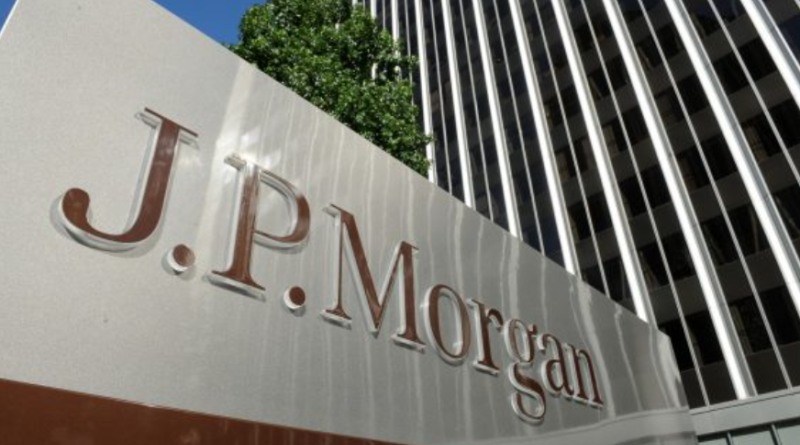
JPMorganChase is adding to its carbon credit portfolio with a deal to buy credits linked to buried agricultural and forest waste, though critics are questioning whether burying biomass is the best use for the material.
The U.S.-based investment banker signed the deal with Graphyte Carbon Removal, a startup that converts agricultural and forest waste into dense blocks and stores them underground to prevent the carbon in the material from being released into the atmosphere. Proponents say the deal will also help reduce wildfire risk in the Western United States by creating a commercial market for the woody debris left behind after forest thinning.
Researchers at the Lawrence Livermore National Laboratory (LLNL) Carbon Initiative are cautiously supportive of the deal.
“At this nascent stage, where we don’t have the supply chains and infrastructure developed for the more complex biomass use pathways, any project that does responsible carbon dioxide removal (CDR) is helping to mature the market, grow confidence, and create the incentives for investment into those supply chains and infrastructure,” LLNL researchers wrote in an email to The Energy Mix. “Graphyte has the advantage of speed in the nascent market period.”
Graphyte says its “carbon casting” process is the only CDR solution that is “durable, affordable, and immediately scalable,” claiming the process uses 10% of the energy needed for technologies like direct air capture. Through the deal, Graphyte commits to supplying JPMorganChase with 60,000 tons of carbon removal credits over 10 years. Axios reports that financial terms have not been disclosed.
Related Story: Microsoft Pauses New Carbon Removal Agreements Amid Shifting Environmental Targets
According to the LLNL team, the deal “is intriguing for near-term removal and appears to be responsible and thorough in their science.”
Initial deliveries will come from two sites operated by Graphyte: Project Loblolly in Arkansas, and Project Ponderosa, currently under development in Arizona. With Ponderosa, Graphyte hopes to source biomass from forest thinning operations while supporting forest management and creating jobs, reports Carbon Herald.
But critics have questioned the extent to which the method can be scaled, and whether the process is diverting biomass from other applications where it can have greater benefits. A 2024 article by Canary Media cites several alternative uses for biomatter that are arguably more effective at reducing the amount of carbon in the atmosphere, including using it for biochar or to produce non-fossil fuels for hard-to-abate sectors like aviation.
Graphyte CEO Barclay Rogers countered that the company’s carbon removal process is biomass agnostic—so it can use a variety of materials—and can be implemented in locations that are unlikely to host a big fuel-making biorefinery, or where electricity markets are constrained.
One LLNL Carbon Initiative Team member told The Mix Graphyte has “met all the standards [they] would set for CDR,” adding that it is more effective than biochar—“the other fast option”—since all the carbon ends up underground rather than being dispersed in soil. But other LLNL team members said carbon casting may have limited long-term applicability as markets for more valuable uses of biomass mature and develop their own supply chains.
“In that market, there could be niche applications, such as biomass burial in remote areas where it remains impractical to get the biomass out to the processing facilities, or when the biomass burial provides a valuable local co-benefit,” the team said.
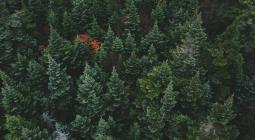
Cover photo: freeimage4life/Flickr