

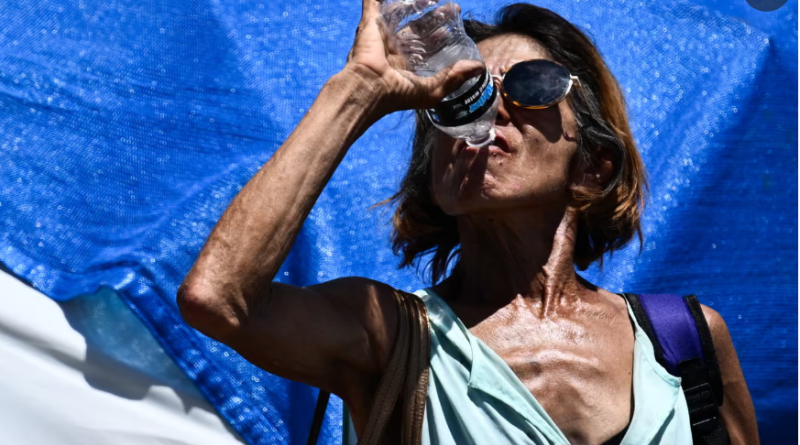
The only way for the human body on its own to keep its core temperature within safe limits is by sweating, and for that sweat to be able to evaporate.
But when high temperatures and humidity combine, this reduces the evaporation of sweat and if left unchecked, can cause heatstroke.
Jay said older people were particularly vulnerable because their ability to sweat is reduced, particularly for people over 75.
Prof Steve Sherwood, a climate scientist at the University of New South Wales, carried out early research that helped establish theoretical human temperature limits.
“The newer work more accurately establishes where the true limits are,” he said.
“The fact we are so close to physiological limits means that mitigating higher temperatures is essential to humans still being able to live and thrive in the hottest and most humid places, including the top end of Australia and much of the tropics, but especially in India and the Middle East.
“Much of the world’s population lives in these places. Global warming will really hurt if it goes too much further just due to the extreme temperatures and humidity, even if we manage rainfall, aridity, storm and sea level changes.”