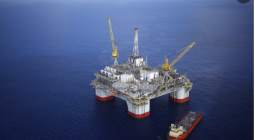


Industry sources claim that the North Sea industry’s decline will accelerate with a windfall tax – even if Rosebank proceeds and North Sea tie-back projects are approved.
Oil and gas producers have faced taxes totalling 78% on their profits since the energy crisis caused a surge in market prices. However, the windfall tax has continued to take a toll on production as oil prices have fallen back to pre-crisis levels.
North Sea spending has collapsed from more than $35bn (£26bn) a year in 2015 to about $15bn in 2023, according to government data, causing the industry’s total workforce – including direct and indirect jobs – to more than halve, from about 450,000 to 200,000 over the same period.
Industry analysts at Stifel, an investment bank, predicted that under the government’s current fiscal regime jobs in the sector will halve again before the end of the decade.
The blow to jobs and investment will also take a toll on Treasury revenues, according to official data.
Tax receipts from the industry are expected to fall by more than 41% from last year to £2.7bn in this financial year, according to the Office for Budget Responsibility. This is £2.5bn lower than its forecasts in March. By the end of the decade, receipts are forecast to plummet to £300m under the government’s windfall tax.
David Whitehouse, the chief executive of OEUK, said: “Today, the government turned down £50bn of investment for the UK and the chance to protect the jobs and industries that keep this country running. Instead, they’ve chosen a path that will see 1,000 jobs continue to be lost every month, more energy imports and a contagion across supply chains and our industrial heartlands.”