

Latin America is entering the rush for rare earths
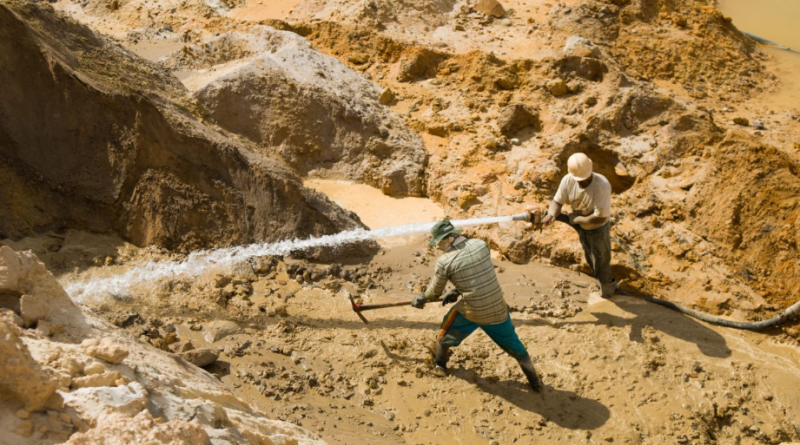
Brazil, Chile and Argentina have large deposits of elements that could help the transition to clean energy. Can they capitalise without big environmental sacrifices?
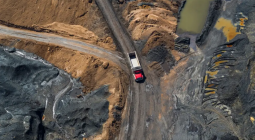
In central-western Brazil, a small town of just 27,000 is being pulled into the minerals race between world powers.
Minaçu in Goiás state has significant reserves of rare earth elements. Some of these are essential for the energy transition, owing to their place in manufacturing clean tech like electric cars and wind turbines.
Global demand for rare earths grew by approximately 7% in 2024, according to the International Energy Agency, with powerful nations including the United States and China rushing to secure supplies.
Despite Brazil accounting for nearly a quarter of the world’s known reserves, Latin America is still playing catch-up in rare earth mining. China dominates extraction, mainly via its domestic operations. The country accounts for almost 70% of global rare earth mine production, according to a report published by the US Geological Survey in early 2025.
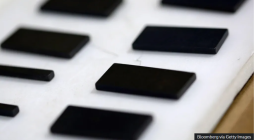
Minaçu is an example of Latin America’s push to compete. When Pela Ema opened in 2024, it became the first mine outside Asia to produce a number of rare earth elements used in magnets for electric vehicles and wind turbines.
In early November 2025, the work of the company who opened it, Serra Verde, was boosted by a USD 565 million loan from the US International Development Finance Corporation, which dispenses federal funds for overseas development projects. Annual production of rare earths at Serra Verde is forecast to be 6,500 tonnes by 2027.
Major deposits of rare earth elements have also been found in Chile and Argentina. These represent a significant opportunity for the region. But experts say Latin American countries should be wary of rushing to export rare earths when they could be developing full supply chains. Others warn of serious environmental damage being done to sensitive ecosystems.
Winning the rare earths race
According to the US Geological Survey, China accounts for approximately half of the world’s known rare earths reserves. In addition to dominating mining output, it also controls around 90% of rare earths processing.
By contrast, Latin America’s rare earths mining and refining industry remains underdeveloped, despite having healthy reserves of its own. Brazil produced only 140 tonnes of rare earths in 2023, and 20 tonnes the following year, the report added, negligible compared to the 270,000 tonnes China produced in 2024.
The latest geological studies confirm that several Latin American countries, especially Brazil, Chile, Peru and Argentina, have deposits of global importance.
In recent months, rare earths have been at the heart of tensions between China and the US. China imposed restrictions on exports in October, citing concerns over their use by foreign militaries. This fed into a tariff battle with the US, which is seeking to guarantee supplies of rare earths to support its own industries. An agreement was then reached at the end of that month. In early February, the US “set out to reshape the global market for critical minerals and rare earths”, by hosting more than 50 countries for a meeting designed to begin growing their collective market share.
The growing industry in Latin America, meanwhile, means it has become a more attractive region for both powers.
“Latin America has regained its centrality as a supplier of critical resources,” says Juliana González Jáuregui, an international relations researcher at the Latin American Faculty of Social Sciences (Flasco) in Argentina. “This centrality is based not only on its geological endowment, but also on the fact that the main global players are seeking to diversify risks in strategic sectors dominated by a few countries.”
Geopolitical competition for minerals and the need to ensure stable supply chains for strategic transition industries are central to this, she says.
Cover photo: Sand and crystal extraction in Goiás, Brazil. Though the country has nearly a quarter of the world’s known reserves of rare earth elements, extraction is still very limited (Image: Sue Cunningham Photographic / Alamy)