

Tidal power is more predictable than wind and solar, even though there are several hours when tides turn each day with little or no power. The backers of the West Somerset Lagoon project believe it would last 120 years and would therefore produce power more cheaply than nuclear power.
It was first conceived several years ago with the aim of reducing the UK’s carbon footprint. Since then, the AI revolution began and is now on course to dramatically increase energy demand. Britain’s national energy system operator, Neso, has predicted electricity demand for datacentres will treble by 2035. The vast racks of microprocessors needed to train and run AI models and store the ever-increasing mountains of data on which the tech-enabled 21st-century economy relies will account for the largest part of the overall increase in electricity demand in the commercial sector.
The West Somerset Lagoon is the latest in a line of proposals to harness the tidal power of the Severn estuary. In the 1980s, other lagoons were proposed in the narrower part of the estuary, closer to Bristol, while a full barrage from near Cardiff to near Weston-super-Mare was suggested more recently, raising concerns about large-scale and irreversible change to the estuary system. The latest sponsors of the idea say the lagoon will not interrupt navigation channels to the ports of Bristol and Cardiff, and is outside protected areas such as local nature reserves and special areas of conservation.
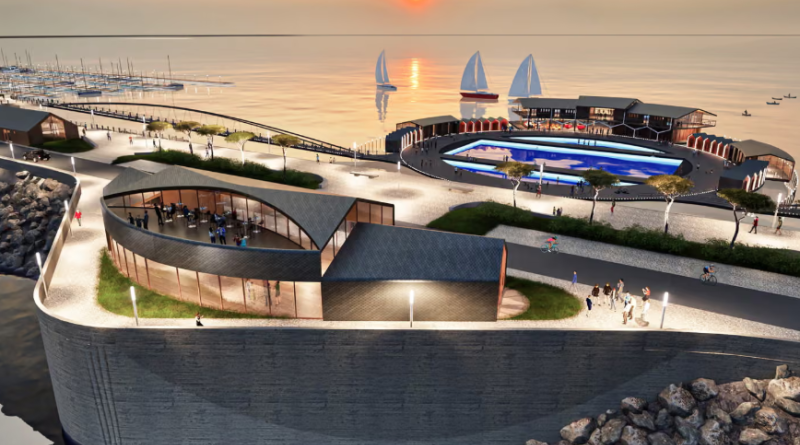
“Minehead and that whole area of West Somerset is an area of deprivation and this project will drive positive transformation,” Barfield said. “It will create skilled full-time jobs, an area for water-sports, a lido, a visitors’ centre, an observation tower and cultural facilities. It could also become a hub for marine farming mussels, seaweed and oysters. These are the types of businesses that local young people could develop because the tidal range would be more controlled.”