

EU lines up 100 hydrogen pipeline, storage and electrolyser projects for multi-billion-euro pot of funding
The new list of projects of common or mutual interest will still need to be approved by the European Parliament and the Council of the EU
The European Commission has announced its second list of projects of common or mutual interest (PCI/PMI), or key cross-border energy infrastructure, that will benefit from accelerated permitting and access to EU-level funding.
This list supports 235 projects overall, including 100 hydrogen-related developments for pipelines, storage and electrolysers.
Many of the projects on this new list had been included in the first PCI/PMI list, such as the BarMar subsea pipeline between Spain and France, or the Mosahyc pipeline between France and Germany.
However, the European Commission noted that some projects had been dropped between lists, either because they had already been completed or were on track to be finished before March 2026, had not been re-submitted for the list, no longer met the criteria for being a PCI/PMI, or simply ranked lower than other developments that had been submitted.
A number of new projects — particularly planned electrolyser facilities — have been included in the second list, such as the ErasmoPower2X project, which had been dropped from Spain’s Auctions-as-a-Service subsidy programme last week.
The new list also includes hydrogen pipelines between Belgium and the UK, as well as Tunisia and Italy.
European Parliament and energy ministers in the Council of the EU will now have a two-month scrutiny period, after which they can vote to accept the list in full, reject it, or trigger a two-month extension.
Once adopted, projects on the second PCI/PMI list will be able to access subsidies from the Connecting Europe Facility (CEF) for Energy, which recently saw its budget for 2028-34 expanded from €5.84bn ($6.79bn) to €29.91bn.
At the beginning of this year, €258m in CEF funding was allocated to 21 hydrogen PCI/PMI developments.
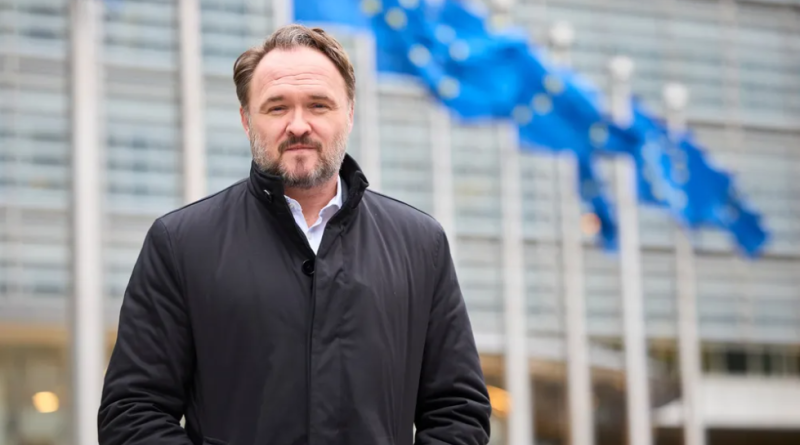
“Energy infrastructure is not only the backbone of our Energy Union — it is the foundation of a strong and prosperous Europe,” said Dan Jørgensen, Commissioner for Energy and Housing.
“To meet today’s challenges of security, competitiveness, and decarbonisation, Europe needs an energy system that is both resilient and future-proof. The projects we have chosen to support will play a vital role in delivering cleaner, cheaper and more secure energy to our citizens and businesses.”
However, George Verberg, former long-time CEO of Dutch gas network operator Gasunie, said that the “economics of the EU’s hydrogen infrastructure plans simply don’t stack up”.
“Many of the pipelines on this list are existing natural gas pipelines, with the intention to repurpose them for hydrogen transport. The cost implications of this, to make it safe and functionally effective, would be out of proportion.
“Estimates of the costs of retrofitting pipelines made by gas utilities have already proven to be excessively optimistic, as evident from recent experience here in the Netherlands.
“With low market readiness, investment in long-distance hydrogen pipelines is premature. It will further raise the costs of the necessary energy transition in such a way that there is a high risk the citizen or taxpayer will lose their trust in the energy transition policy of the EU.”
Cover photo: Dan Jørgensen, European commissioner for heating and energy