

Public urged to grow unusual plants to safeguard diversity of UK blooms

Plant Heritage says gardening trends mean many species in danger of disappearing as they are no longer offered for sale
More than half of garden plants previously grown in the UK are no longer offered for sale as flower fashions and modern gardening trends have reduced the diversity of blooms.
Plant Heritage is asking the public to choose unusual plants for their gardens, and maybe even start their own national collections of rare blooms, in order to stop some cultivated plants from dying out.
The charity is exhibiting its first show garden at the Chelsea flower show in May, in order to raise awareness of at-risk plants and encourage people to grow a wider variety of flowers in their gardens.
The homogenisation of our gardens, as a result of people tending to choose the same generic varieties from garden centres, could have negative impacts on nature and biodiversity, they warned.
Of more than 133,000 cultivated plants assessed by Plant Heritage, more than half are no longer reliably offered for sale in the UK. One in six are recorded growing in only one or two locations.
A spokesperson for the charity said: “Nurseries only stock a limited range and what’s in fashion changes, so keeping plants safe relies on people valuing what they have in their garden or public parks. We don’t treat plants as precious heritage in the same way we do objects.”
Gardens were getting smaller and increasingly being paved over, they continued, and many people did not know how to propagate plants, which led them to buy easy-to-grow varieties from the nearest garden centre instead.
A diversity of plants is important for garden wildlife, and many cultivated flowers are good for pollinators and provide shelter and food for wildlife, such as berries and seeds.
The charity runs “national collections” of plants that safeguard certain species, and these are recognised internationally as “ex situ” (off-site) conservation. Some of the plants in collections are extinct in their home countries, such as Brugmansia (Angel trumpets), which are kept at Kew Gardens in London.
The charity’s Chelsea garden will contain examples of the “living libraries” of plants already safeguarded within national plant collections, alongside those still in need of a “missing collector” to step forward. Collections to be featured will include Geum, Boehmeria, Polypodium and Thalictrum, while the garden will also champion plants without a collection such as Aquilegia and Verbascum, to encourage future custodians.
Gwen Hines, Plant Heritage’s chief executive, said: “We hope to inspire more people to join our growing community in safeguarding our nation’s favourite plants. Whilst plants in your garden may appear safer than those in the wild, they can still be at risk, so it’s crucial that we protect our garden plants.”
Five tips from Plant Heritage for successful propagation
The easiest way to propagate most plants is through taking cuttings.
Success starts with healthy parent plants
Take cuttings from non-flowering stems of vigorous, pest-free plants. If it is a neglected plant, look for the youngest growth, ideally firm green stems, avoid those that have become woody.
Think hygiene
Use clean, sharp snips, scissors or secateurs to make a neat cut just above a leaf joint. This protects both the parent plant and the cutting.
Pick the right plant part
Trim the cutting to just below the lowest leaf join, removing the lower leaves. This is the joint node and the new roots will develop from here. For plants such as pelargoniums leave the cut to dry in the air for an hour or so, this allows callousing to begin which will protect the cut edge from rotting. For large leaved plants you can trim the leaves by 50% as well.
Put your cutting to bed
Pot up your new cutting in a mix that will drain well, eg half peat-free growing media and half either horticultural grit, perlite, or coarse sand. If you are using rooting hormone, dip the cutting and then insert it into the compost firmly, using a pencil to make a hole. Firm and allow the pot to sit in a tray of water – this is better than watering from the top. Most cuttings can be kept on a windowsill but avoid harsh light and do not over water them.
Share your plants and plant stories
Label your cuttings with the plant’s name and where you got it and pass it on. Don’t forget to share its story, if you know it.
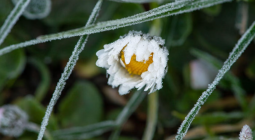
Cover photo: Of more than 133,000 cultivated plants assessed by Plant Heritage, more than half are no longer reliably offered for sale in the UK. Photograph: Gordon Scammell/Alamy