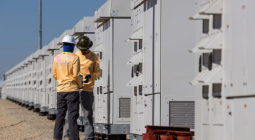


Bold policies are real fuel behind battery market revolution

Battery storage was the fastest-growing energy technology in 2023, but market rules have not kept pace
The global energy transition is accelerating, with electric vehicles (EVs) and battery storage emerging as pivotal technologies. Yet their full potential remains constrained by gaps in policy and regulation.
From ensuring affordability for consumers to reforming outdated electricity markets and building resilient supply chains, governments have a central role to play in enabling widespread adoption.
EV sales are on the rise in China, Europe (particularly Germany, Norway and France) and the US, which drives demand for battery technology. In 2023, 10% of all new car sales in the US were electric, the EU tracking with 20% and China booming with 40%. Elsewhere, they remain out of reach for most consumers.
Closing this gap depends on enabling policies. Cost is the biggest barrier. Unlocking the market, China has shown how targeted incentives and tax breaks for smaller, cheaper models can bring EVs within reach of ordinary buyers. Shifting support away from broad subsidies towards compact, resource-efficient vehicles both widens access and eases pressure on mineral supplies.
Cover photo: rottenman©123rf