

Competing in a thirsty world – hydrogen and water
Water use, risks and opportunities in Africa’s green hydrogen push
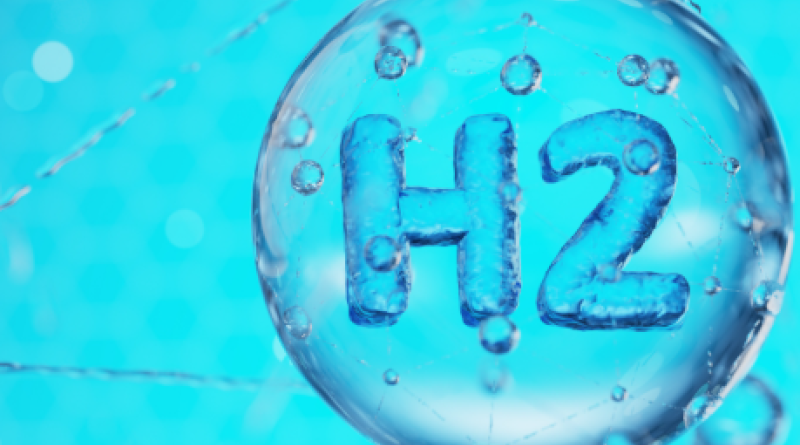
Green hydrogen, produced by splitting water molecules using renewable power in a process called electrolysis, is inherently water intensive. As governments and developers plan megaprojects along coastlines and across arid regions, the management of water (sourcing, consuming,and repurposing) emerges as a central pillar of success.
The production of green hydrogen requires significant quantities of clean water. To produce 1 kilogram of hydrogen, roughly 9.1 kilograms of purified water is needed. Much of this water is used for cooling rather than the electrolysis process itself, which is the use of electricity to split water molecules into hydrogen and oxygen. Under optimal conditions, this process is circulated in a closed loop to reduce overall water consumption.
Given the limited freshwater resources in many African regions, developers are increasingly looking to seawater to keep proposed hydrogen projects viable. Coastal nations are leveraging their access to vast ocean resources, planning to desalinate seawater to supply their hydrogen facilities.
Namibia, for instance, benefits from the existing Orano desalination plant—one of the largest in Southern Africa—which has already demonstrated the technical feasibility of converting seawater into high-quality input for industrial use.
In a particularly innovative pilot in Namibia’s Daures Constituency in the Erongo region, extremely salty borehole water is being desalinated not only for hydrogen production but also for potable and agricultural uses. Such multifunctional water treatment strategies suggest a model for integrated infrastructure that benefits both industry and community.
During an ESI Africa webinar, Dr Zivayi Chiguvare, Director of Namibia’s Green Hydrogen Research Institute, explained that despite the country’s arid interior, its long Atlantic coastline and high solar irradiation offer a strategic advantage. “We intend to use seawater, desalinate it using solar energy, then use the purified water for electrolysis,” said Chiguvare.
Risks to water in hydrogen development
Despite the promise, water scarcity remains one of the most pressing constraints facing Africa’s hydrogen agenda. Arid countries like Namibia cannot afford to allocate freshwater from inland sources for commercial hydrogen production, especially when potable water is already in short supply. This reality necessitates a careful balance between hydrogen ambitions and responsible water stewardship.
Another growing concern is the disposal of brine, the highly concentrated saline by-product of desalination.
If discharged directly into the ocean, brine can disturb marine ecosystems by increasing local salinity and affecting biodiversity. Additionally, the elevated temperature of water discharged after electrolysis (ranging from 40 to 80 degrees Celsius) could exacerbate thermal stress in marine environments.
Climate change further complicates the picture. Many existing water schemes rely on rivers, but these systems are becoming increasingly unreliable due to shifting rainfall patterns.
As a result, governments must prioritise decoupling volatile freshwater sources for use in hydrogen production from long-term water security policies.
Unlocking opportunities for water security
Amid these risks, a spectrum of opportunities have emerged that not only address the water needs of hydrogen production but also serve broader development goals. Africa’s extensive coastline—such as Namibia’s 1,572-kilometre stretch—offers an enormous untapped reservoir in the form of seawater.
Desalination powered by solar or wind energy can transform this resource into a viable water supply, enabling green hydrogen production without tapping into precious freshwater reserves.
Many project developers are planning to oversize desalination facilities to serve both industrial and community needs. This dual-purpose approach allows for the production of surplus potable water that can be piped to local communities and for agriculture.
In South Africa, for example, the Northern Cape’s infrastructure plan includes reinforcing bulk water supply systems to deliver desalinated water not only to hydrogen hubs but also to towns like Alexander Bay and Port Nolloth, improving water access for subsistence farmers and residents.
In Namibia, the Daures Green Hydrogen Village already exemplifies how innovation can deliver localised transformation. By desalinating underground salty water, the project provides clean drinking water, supports hydroponic agriculture, and even produces ammonium sulphate fertiliser. This “lifeless desert” has been turned into a thriving micro-economy, offering fresh produce to nearby communities and potentially generating exports in the future.
Brine: From waste to resource

Traditionally viewed as a nuisance, brine is now being reimagined as a valuable resource. “Mining from brine” initiatives are testing ways to extract minerals such as magnesium, sodium, chlorine, and calcite from desalination waste streams.
Once these elements are removed, the residual salt can still be repurposed for animal consumption.
At the same time, the remaining treated water could be cycled back into desalination plants or used for irrigation, extending the lifespan of reverse osmosis filters and improving process efficiency.
This circular approach aligns with the broader philosophy of resource-conscious design that many African hydrogen developers are seeking to adopt.
Rather than burdening existing freshwater systems, projects are being planned with sustainability and regeneration at their core, turning perceived waste into usable input.
Integrated planning for sustainable development
The integration of water and energy planning into municipal Integrated Development Plans (IDPs) is a critical success factor. By embedding proposed hydrogen projects into national, provincial and local planning frameworks, African governments are ensuring that infrastructure investments align with environmental, spatial, and community development goals.
Strategic environmental assessments are being conducted to anticipate the cumulative impact of desalination, energy generation, and brine disposal, with some projects aiming for “minimal to no impact” on marine environments.
This coordination also facilitates a broader vision of industrialisation. By ensuring hydrogen facilities can also supply clean water, energy and agricultural inputs, green hydrogen could become a catalyst for development rather than a competitor for resources. Communities that once faced chronic water shortages may benefit from infrastructure initially built for industrial purposes.
A holistic view of green hydrogen’s water footprint
Africa’s green hydrogen roadmap must be guided by a clear understanding of water’s pivotal role. Electrolysis, while central to green hydrogen production, places notable demands on water availability.
With freshwater scarcity a defining feature, there must be a shift towards desalinated seawater as a technical preference for new industries such as hydrogen.
Nevertheless, what initially seems like a challenge can, through innovation and integrated thinking, become a powerful opportunity. Desalination offers a reliable water source for hydrogen production.
Oversized facilities can supply the surrounding communities. Brine, once discarded, can be mined for minerals. And treated water can be cycled into agriculture and sanitation systems.
Furthermore, projects should aim to have a failure plan in place whereby the desalination plants are repurposed solely for water resource management, instead of being shuttered outright, if the hydrogen element does not pan out as envisioned. ESI
Cover photo: Sasha85ru©123rf