
IRENA maps 40 innovations for resilient energy systems
Only an integrated, systemic approach can deliver resilient power systems, broaden energy access, ensure affordability and unlock the full potential of the energy transition, says a new report
A new report by the International Renewable Energy Agency (IRENA) maps 40 innovations that policymakers can use to build resilient power systems, expand energy access and support local development.
Released in Abu Dhabi during a Ministerial Dialogue on the role of Artificial Intelligence (AI) at IRENA’s Assembly, the report finds that while there is no “one-size-fits-all” solution, systemic innovation can transform energy systems when technology is combined with innovation in policy, regulation, market design, system operation and business models.
Titled Innovation Landscape for Sustainable Development Powered by Renewables, the report highlights innovations ranging from AI and digital applications to smarter grid planning, off-grid solutions and new business models.
Innovation to help breach energy gaps
It concludes that only an integrated, systemic approach can deliver resilient power systems, broaden energy access, ensure affordability and unlock the full potential of the energy transition.
The publication is the third in IRENA’s Innovation Landscape report series, which focuses on emerging solutions to strengthen the impact of renewable energy across global
IRENA Director-General Francesco La Camera said the issue was not whether energy systems could be transformed, but whether countries would act in a holistic way that leaves no one behind.
He said the energy transition was not only about technology availability, but about solutions that deliver social justice and inclusive development.
According to the report, renewable technologies have become the cheapest source of electricity in most regions.
Combined with the decentralised nature of many innovations, this places universal access to electricity and more resilient power systems within reach, particularly in emerging markets and developing economies.
IRENA notes that optimal strategies will depend on system-specific factors, including the technical and economic characteristics of national power systems, grid integration, end-use sectors, available resources, and social and cultural contexts.
Testing ground for energy systems
The report shows that many of the innovations are already being tested globally.
Examples it cites include:
- community-owned renewable projects in Tanzania, Kenya, Colombia and Malaysia;
- regional power pools enabling 15 West African countries to share renewable resources;
- dynamic line rating in Malaysia that increases transmission capacity by 10% to 50% through real-time weather monitoring;
- battery swapping stations supporting electric mobility in Uganda and Rwanda; and
- pay-as-you-go models that have provided electricity to more than 500,000 people in Sierra Leone and Liberia.
Action required, says IRENA
To support practical implementation, the 40 innovations are grouped into four strategic toolkits focused on grid modernisation, decentralised solutions, inclusive local development and energy access.
The report states that action is required at all levels, from multilateral institutions and regional bodies to national governments and local communities.
IRENA says the framework is designed to help countries and communities develop tailored solutions that reflect their technical, economic and socio-cultural needs, while advancing resilient, affordable and low-carbon energy systems and expanding access to electricity worldwide.
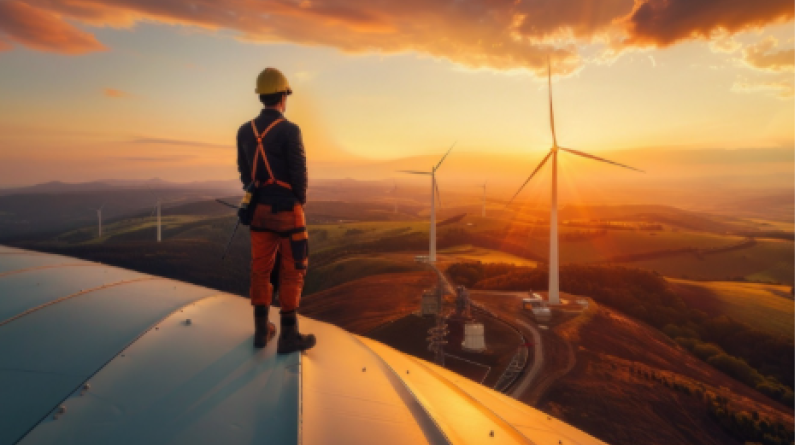
Cover photo: arteahs©123RF.com