

What do we really mean by clean energy technology?
The UN declared 26 January International Day of Clean Energy as a call to raise awareness and mobilise action for a just and inclusive transition to clean energy for the benefit of people and the planet.
A just and inclusive transition to clean energy technology is critical for tackling climate change while ensuring economic opportunity and equity worldwide. As such, in policy and investment circles, terminology matters.
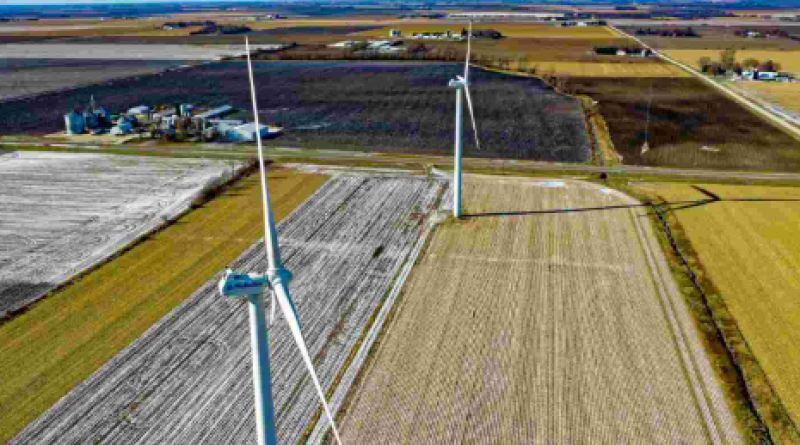
Renewable energy refers strictly to sources that naturally replenish themselves, such as solar, wind, hydro and geothermal.
These power plants are limited to where the resource is available and are not always low-impact, such as utility-scale solar projects that affect flora growth and large hydropower dams that disrupt water ecosystems.
Green energy is a subset of renewables with the lowest lifecycle environmental impacts, often verified through certification schemes.
Clean energy is broader and includes energy efficiency, energy storage, smart grids and nuclear power. These technologies materially reduce emissions and pollution compared with fossil fuels.
It is this broader framing of clean energy technology that is essential for decarbonising power systems at speed.
Financing the transition: Who pays, and how?
According to the International Energy Agency (IEA), global clean energy investment surpassed $2 trillion in 2024, yet this remains insufficient and unevenly distributed.
The World Bank and other multilateral development banks estimate that annual clean energy investment must triple by 2030 to keep climate goals within reach.
To achieve this level of financing, public finance should de-risk projects through guarantees, concessional loans and first-loss capital, while private investors provide scale.
Crucially, developing economies, particularly in Africa, require far greater access to affordable capital. Currently, they receive only a small fraction of global clean energy finance, according to the IEA.
What should be prioritised now?
The International Renewable Energy Agency (IRENA) reports record annual additions of solar and wind, now the cheapest new power in most markets.
However, the United Nations notes that fossil fuel subsidies still outweigh support for clean energy technologies, slowing the transition and undermining equity. Three priorities can support a stronger trajectory:
- Grid and storage investment to integrate variable renewables at scale.
- People-centred transition policies, including reskilling workers and protecting vulnerable communities, as emphasised by the International Labour Organization.
- Establish policy certainty through stable regulations and carbon pricing to crowd in private capital.
As the world celebrates the UN International Clean Energy Day on 26 January, these priorities can make a major difference to the global shift to clean energy technologies.
Cover photo: Pexels