

2026: The Year Ahead

Here are six big things to watch.
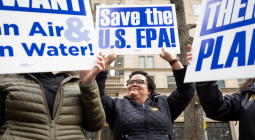
In 2025, Trump rolled out new initiatives at a dizzying rate. That story, in one form or another, dominated the news. This year, much of the news will again be about Trump, but he will have less control of the narrative. Legal and political responses to Trump will play a greater role, as will economic developments. Trump’s anti-environmental crusade may run into strong headwinds.
The Supreme Court and presidential power. The Court’s first new major opinion on presidential power will be the tariff case. The oral argument suggested there could be five votes against the tariffs and possibly even six. The Justices will also be faced with other cases testing some of Trump’s most aggressive actions. The tariff is just one example of the tension for conservative Justices between their support for presidential power and their belief that Congress should steer major policy decisions.
The midterm elections. The Democrats came out of last November’s election with some momentum. It remains to be seen whether they can translate that into winning the House or Senate in 2025. If they do, they might act as a check on Trump’s assaults on environmental protection and clean energy. There are some familiar tools for doing so, such as appropriation riders and hearings that publicize administrative lapses.
Rollbacks. The Administration began some important rollback efforts, such as repeal of the endangerment finding. Some of those will be finalized this year. The Administration has staked a lot on aggressive reinterpretations of statutes while playing fast-and-loose with normal procedural requirements. We will begin to get a sense this year of how well the rollbacks will play in court. If there are lower court stays, some of the issues might reach the Supreme Court quickly. In the meantime, the Administration will continue to roll back protections against pollution, toxic chemicals, and natural destruction.
The grid. The Administration has gone all in on expanding generation to power huge new AI centers. At the same time, they’re trying to block use of renewables, the fastest way of expanding the power supply. There are real risks to their approach — notably possible blackouts and big price increases that could spook voters if things go wrong. If the AI boom takes a disappointing turn, that could impact not only these grid issues but the economy more generally.
China. China is already playing a massive role in the energy transition as it churns out solar panels, batteries, and electric vehicles. By default, it is now the biggest presence in international climate policy. It may or may not choose to take advantage of the opportunity. If China does seize this as an opportunity for global leadership, the impact on global climate action will be significant.
The states. Blue states have played an important role in opposing Trump, and we can expect that to continue. They have continued to stand behind their clean energy policies. Gavin Newsom is probably not the only Democratic governor with presidential aspirations. He and others have two goals: winning Democratic primary voters by showing leadership in climate policy and winning general election voters by dealing with energy affordability. These twin incentives should produce some interesting policy initiatives.
A lot will turn on developments in these six areas. They will help determine how much environmental harm results from the Trump Administration. That will matter not only for today’s Americans, but for future generations and for people around the world.
Cover photo: Dan Farber has written and taught on environmental and constitutional law as well as about contracts, jurisprudence and legislation