


A Battle to Regain Foothold
Hello, I’m Satviki, Bloomberg’s Consumer Businesses, and Healthcare Reporter in Mumbai.
For nearly a century, shoe shopping in urban India was synonymous with Bata.
But over the past decade, buzz around India’s most popular footwear brand has faded — and the numbers bear that out.
Bata shares have fallen by nearly two-thirds from their peak in November 2021, and annual revenues are set to stay flat for the third straight financial year through March.
It is not hard to see why. As a rapidly expanding affluent class and wealthier Gen-Z and millennial consumers opt for trendier designs and newer labels, legacy brands like Bata are getting squeezed — by global brands at one end and by value retailers such as Zudio at the other.
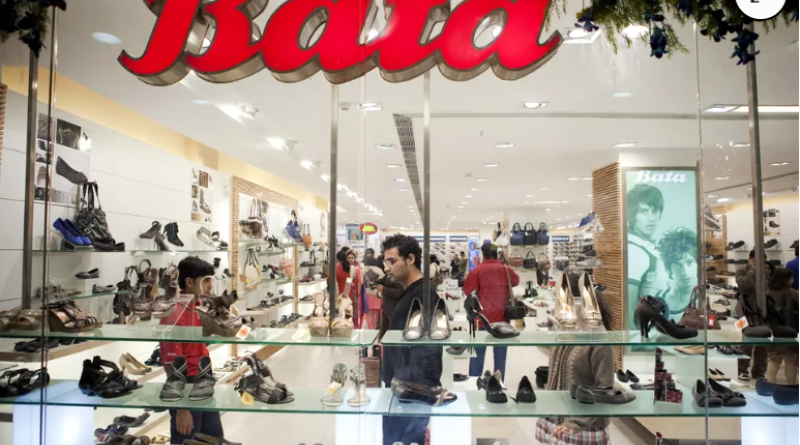
The Gurugram-based company is fighting back by trying to “reinvent” itself, its Chief Executive Officer Gunjan Shah told me last month. Since Covid-19 sped up the shift in consumer tastes, the firm has accelerated its makeover — rolling out trendier designs, brighter stores and a more agile supply chain to win both premium and value shoppers, he said.
That matters, because India’s consumer story is splitting in two — affluent households buying more of premium goods and middle- and lower-income consumers whose discretionary purchases remain under pressure. While sales of items like performance sports shoes of brands such as Asics and Nike are booming, expansion of lower-priced mass products has been more uneven.
The cuts to goods and services tax made last year — which levies a 5% duty on footwear costing less than 2,500 rupees compared with a 12% rate earlier — could help. About 80% of Bata’s range sits in the value segment, and it stands to benefit — early signs of an uptick are already showing, Shah said.
Casual styles like sneakers now make up well over half of its lineup, up from about 40% three years ago.
Backing that up is a refresh of how Bata looks — and how it runs. To improve the shopping experience, the company is reducing clutter, improving lighting, adding seats to make its stores more inviting and easier to navigate. It’s tweaking the supply chain to respond faster on new styles and what each store’s customers are asking for.
It’s also pushing harder beyond the big cities, by expanding its franchise model — roughly a third of its 2,000 stores are now owned by partners.
Digital is also a growing focus, Shah said, adding that Bata expects e-commerce to contribute more than 20% of revenues within three years.
Bata is now looking at this year “with a lot of promise,” both because of its internal changes and the policy tailwinds coming through, he said.
That said, the market needs to be convinced too. Investors are not biting, for now. Bata shares jumped briefly earlier this month after the company’s December-quarter earnings beat estimates. But they quickly gave up those gains and are now languishing at their lowest levels since June 2018. Two-thirds of the analysts tracking the stock have a sell rating.
For Gunjan and his team, the hard part starts now — converting new designs, brighter stores, and an agile supply chain into hard numbers that investors are willing to buy into.
Shares of 10 companies involved in data center development and its supply chain added about $4 billion in combined market value this week, as the country’s Prime Minister Narendra Modi reiterated its ambition to emerge as a global hub for AI.
Cover photo: A Bata India outletPhotographer: Prashanth Vishwanathan/Bloomberg