

“Before, [rangers] were not able to do their jobs because they lacked basics like oil, fuel or replacement parts. It is [about] being efficient and giving them what they need, when they need it,” Rodríguez says.
The results have been staggering. Forest loss inside the national park plummeted by 88% between 2022 and 2025, reaching its lowest level in 20 years, according to Global Forest Watch. So far this year, logging in the park has fallen to nearly zero, the park says.
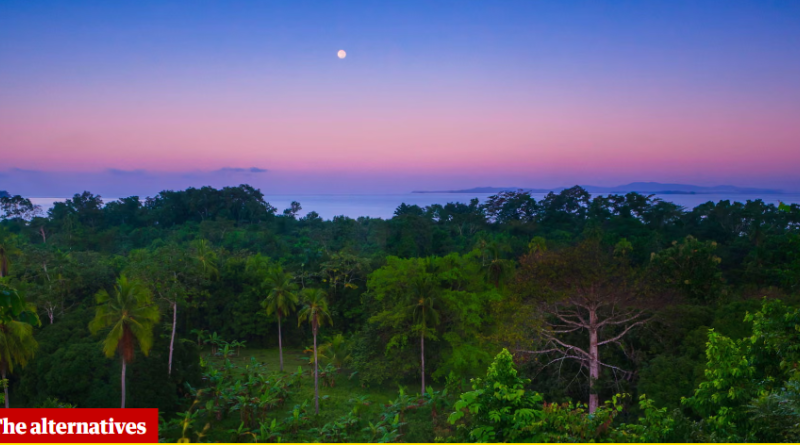
The reclaiming of Darién national park should help protect one of the region’s largest carbon sinks and the Indigenous groups and many animal species that live there. It also comes as tropical forests across Central America are collapsing.
“Nicaragua is gone. Mexico, Guatemala – everything is going now. If you look from Google Earth we are down to these little green patches. It’s the last 10% of what was there 100 years ago. So if we don’t get it right real soon …” Morgan says, trailing off, preferring not to elaborate on the implications of losing the greatest intact rainforest north of the Amazon.
Tropical forest loss doubled in 2024, reaching the highest level recorded in two decades.
Bringing park rangers who still work with pens and notepads into the age of cameras, tablets and cloud computing is a pragmatic way to turn the tide when climate diplomacy at summits like Cop is failing, Morgan says.
He says Panama’s turnaround also shows how co-investment – partnering with governments that also invest in conservation – makes rangers more accountable and brings better results. And it is also quicker.
“It takes three years to get a USAID or a Defra grant. You do a ton of paperwork, and by the time it’s ready, the government has changed, the president’s now terrible, the park directors are terrible. Everything can be destroyed in that time,” Morgan says.
Instead of waiting on climate finance, there should be a push for direct co-investment with governments, Morgan says. “This is just one park. Imagine the difference we could make with just $200,000 a year, times 1,000 parks,” he says.